Aluminium cladding and facade systems — composite panels, perforated screens and bespoke cassettes, fabricated and installed by TILT.
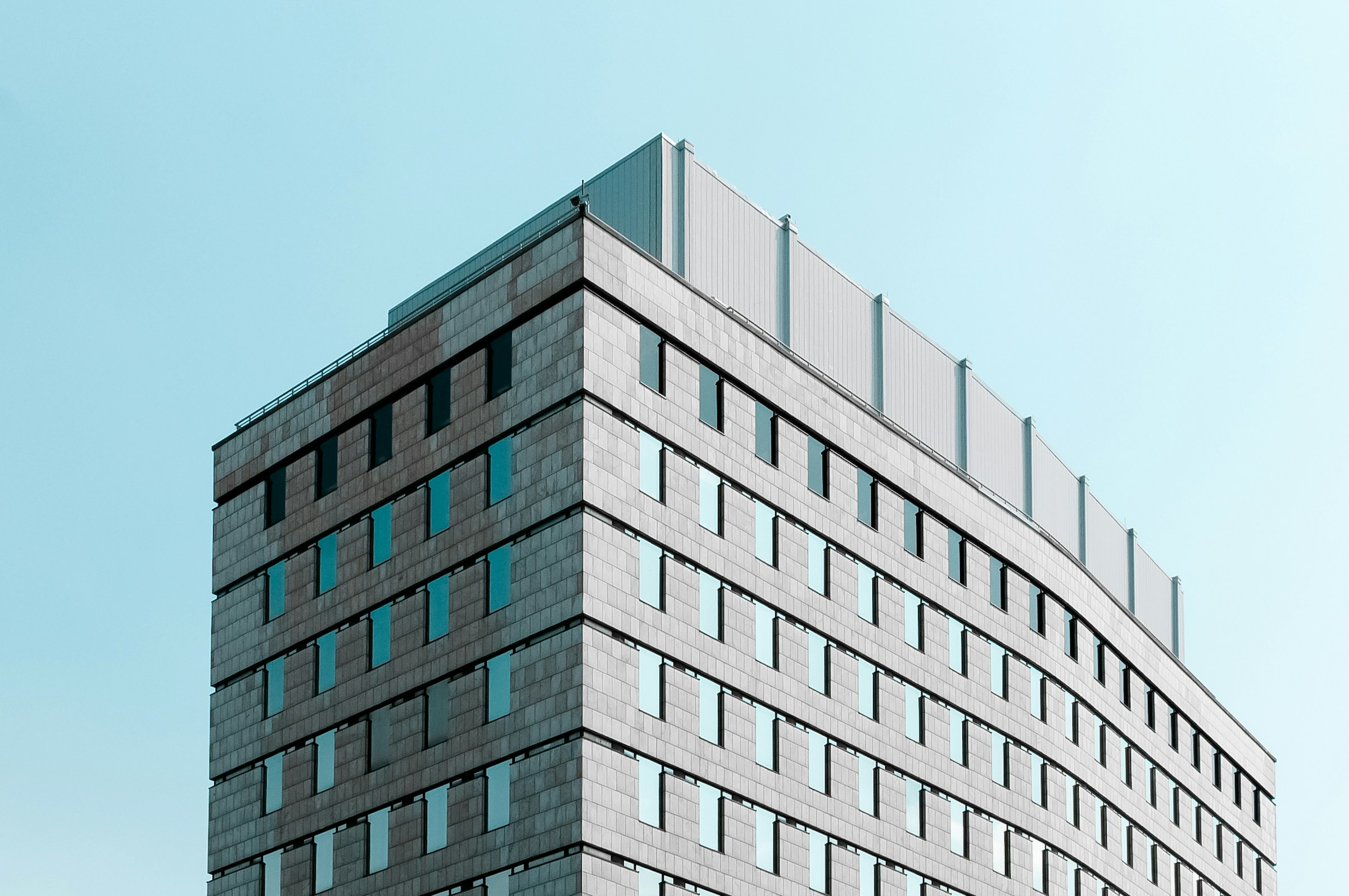
Good cladding isn't a skin stuck to a wall — it's a system with a gap. In a ventilated rainscreen, the aluminium panels take the weather and a deliberate cavity behind them does the clever work: it drains, it vents, and it equalises air pressure so wind-driven rain has no pressure difference to push it through the joints. The wall stays dry, the building breathes, and the outer face can be almost any material, colour or texture you want.
The one line no serious facade conversation skips now is fire. Since Grenfell, the combustibility of what goes on a building's outside is a first-order question, not a footnote. This is where solid aluminium and honest specification matter: a solid aluminium panel and a mineral-cored composite behave very differently to the polyethylene-cored ACM at the centre of that tragedy. We specify to non-combustible and fire-classified materials — A2-s1,d0 where it's called for — and we're happy to show the certificates. On a facade, what you can't see is the part that counts.
Composite panels deliver dead-flat, large-format elevations with minimal visible joints.
FR-core options available for multi-storey facades under SANS 10400-T.
Trays, folds and corners fabricated to your drawing — not limited to stock profiles.
Aluminium and architectural powder coat detailed for salt air and weather exposure.
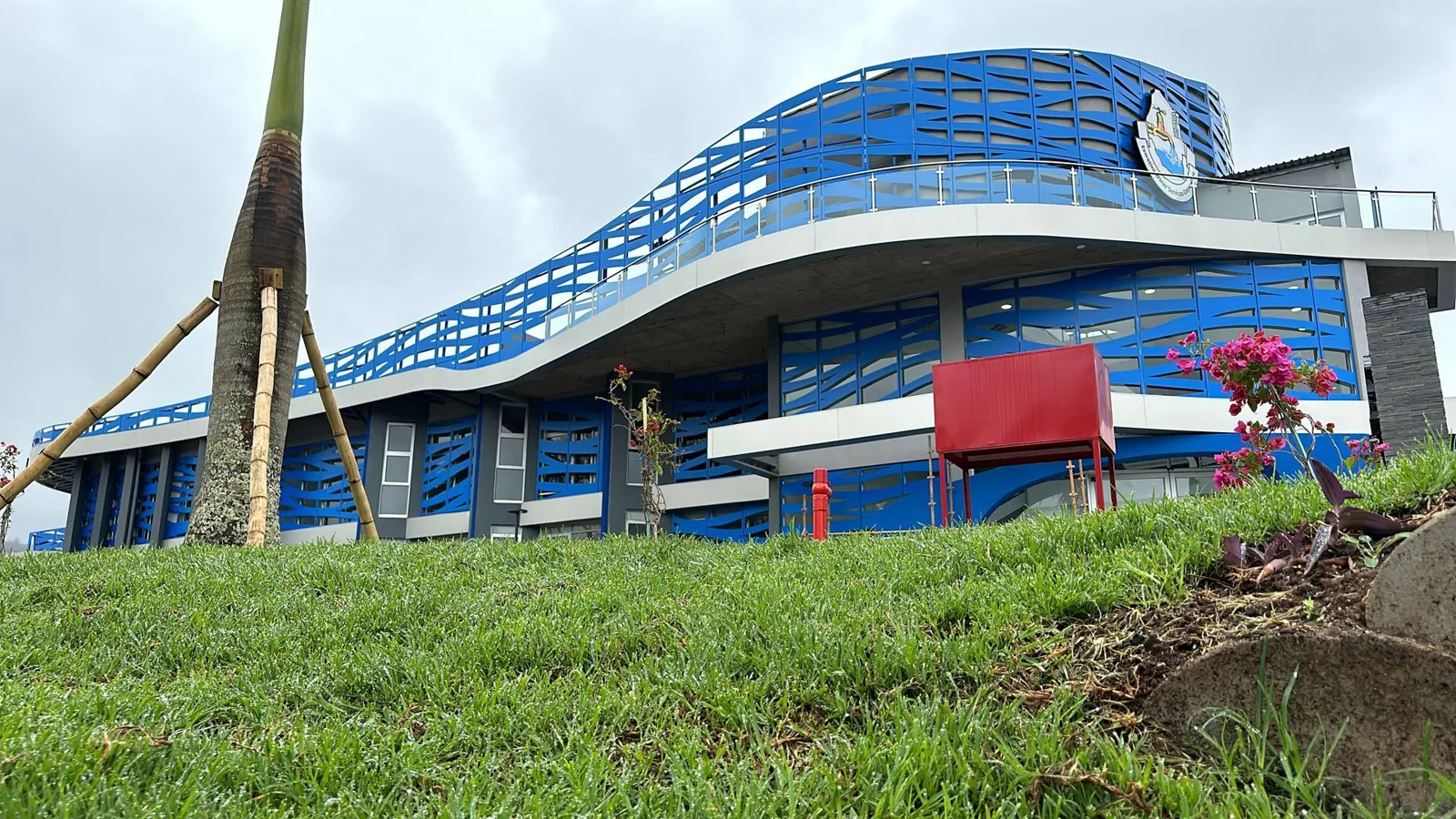
Full elevations and entrance features in solid aluminium or composite: the flat, sharp, contemporary look, delivered as a proper ventilated system rather than panels glued to a wall.
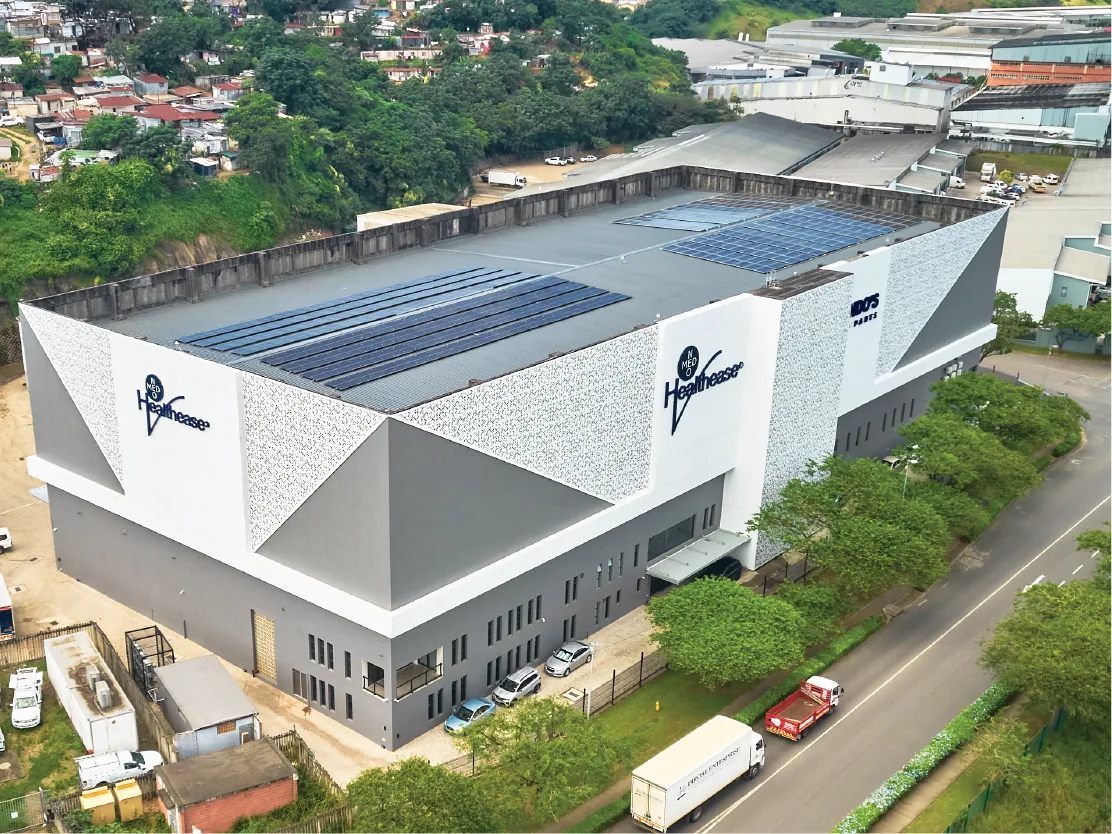
Perforated or image-perforated cladding that turns an elevation into signage or texture — a facade that does more than keep the weather out.
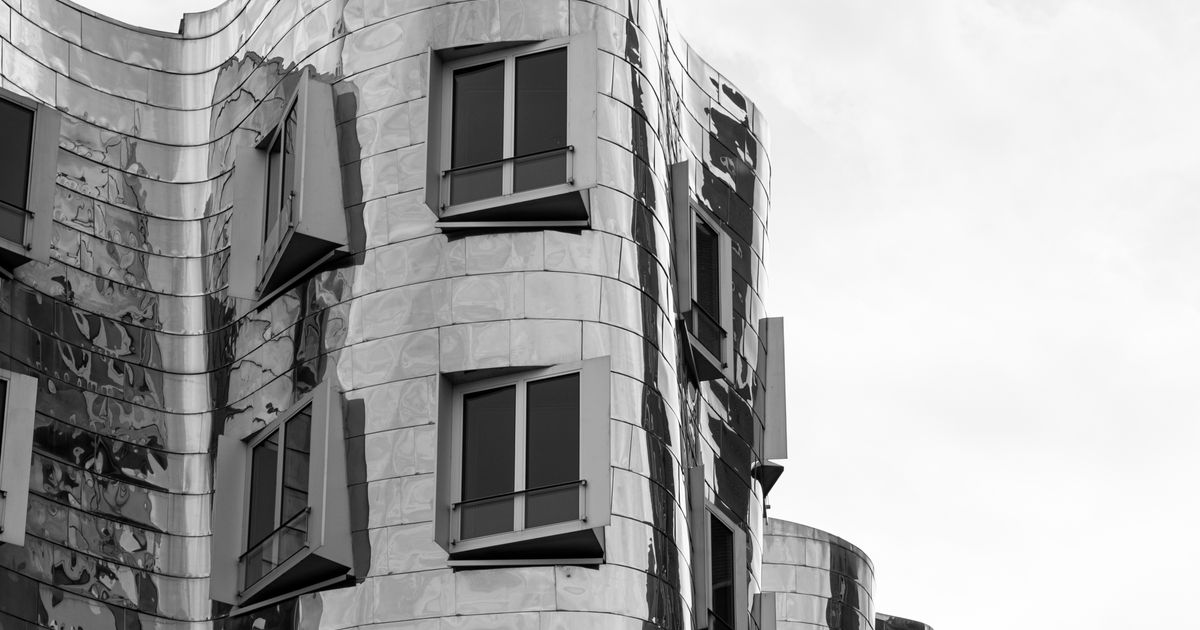
Over-cladding tired or failing facades to reset a building's look and weather performance without a full rebuild.

Cladding panels with a vented air gap behind them. The panels shed most of the water; the gap drains and dries anything that gets past and balances air pressure so wind can't drive rain through the joints. It's the modern standard for a facade that stays dry and lasts.
The issue at Grenfell was a specific product — composite panels with a polyethylene core. Solid aluminium and mineral/FR-cored composites are a different proposition. We specify fire-classified materials and provide the documentation; we won't put an unrated combustible core on a building.
Solid aluminium is the most robust and the safest fire story; ACP is lighter, flatter over large areas and often more economical, and in an FR/A2 core is widely specified. We steer the choice on your building's height, budget and fire requirements.
Usually yes. A ventilated system over a new subframe is a common way to modernise a building's appearance and weathering without stripping back to structure.
Flatness comes from the panel type and the subframe. Cassette and tray panels on a properly set-out subframe give the taut, shadow-gap look; we detail the substructure to hold it.


